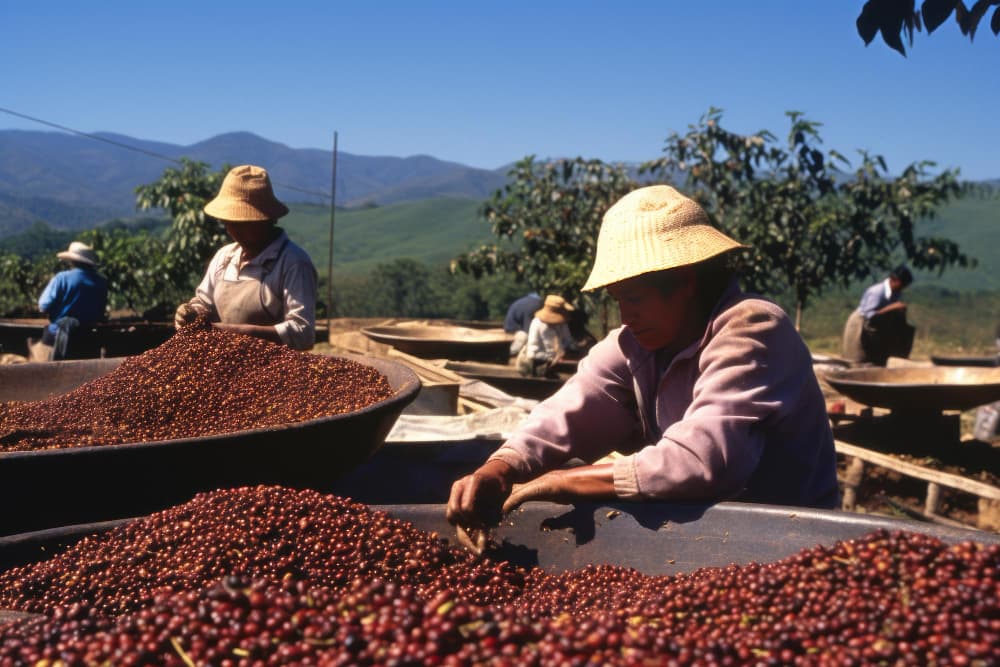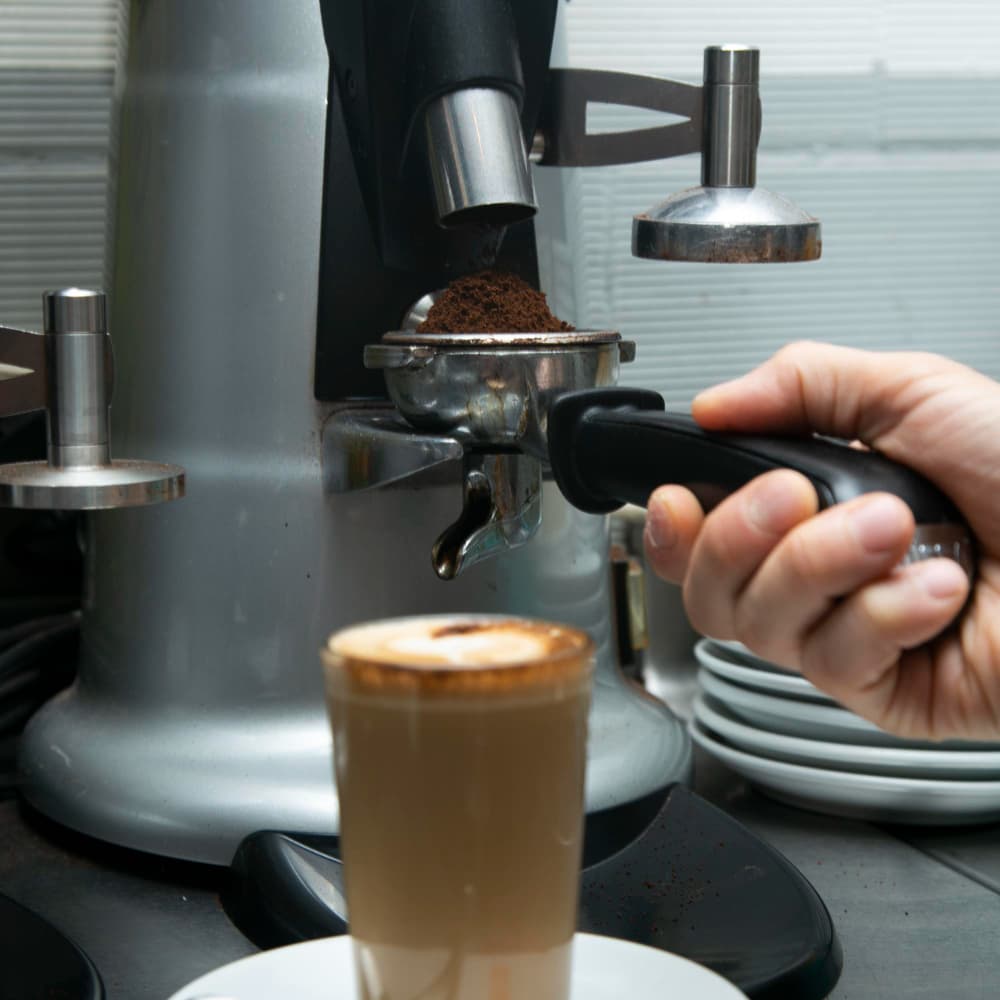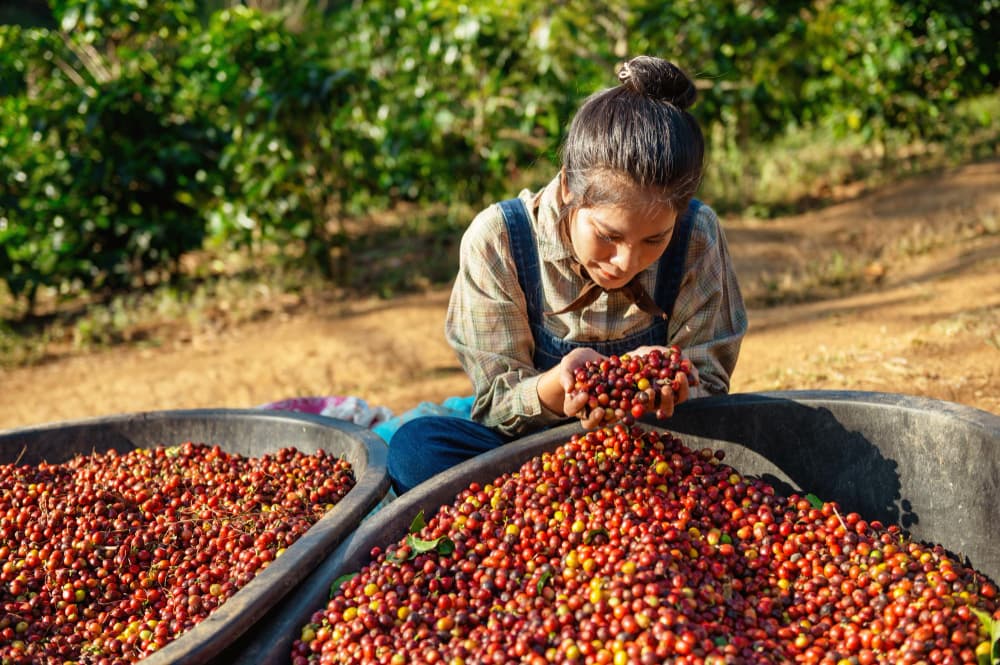
The default roastery setup is a 30-kilo drum running ten batches a day. The economics are obvious — more volume per shift, lower overhead per pound, cleaner margins. What gets lost is the ability to roast each lot to its own profile.
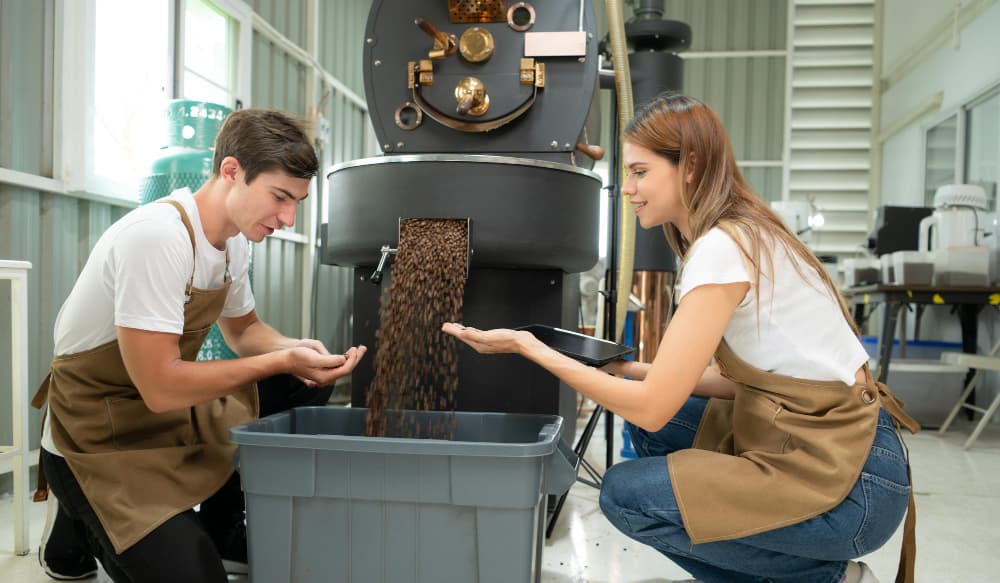
Our drum is 12 kilos. That's it. We can roast a small farmer's entire harvest as one lot, or split it across two profiles and compare. We can stop a batch mid-development to taste what's happening. We can do things a bigger operation can't afford to do — and we can do them honestly, because the green coffee in the hopper came from a single farm, sometimes a single hectare.
Single origin isn't a slogan
Some companies use "single origin" to mean "all from Colombia." That's a country, not an origin. Origin is a farm. It's an altitude, a varietal, a microclimate, a person.
When we say single origin, we mean you can read the farm name on the bag and we can hand you the cupping notes from when we bought it. That kind of traceability is only possible at our scale. It would collapse the day we got serious about volume.
The trade-off
Small batches mean we sometimes sell out. They mean our menu changes every few weeks. They mean if your favorite is Doña Maria's PCF Uno and the harvest was small, we can't promise you'll find it next month. We understand if that's frustrating. We also think it's the only honest way to do this.