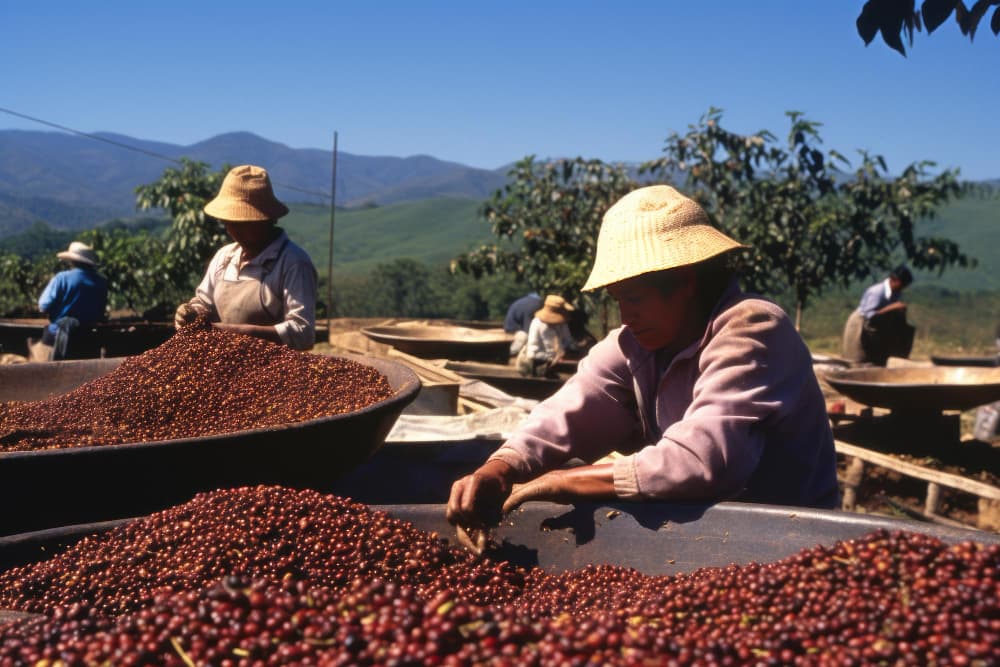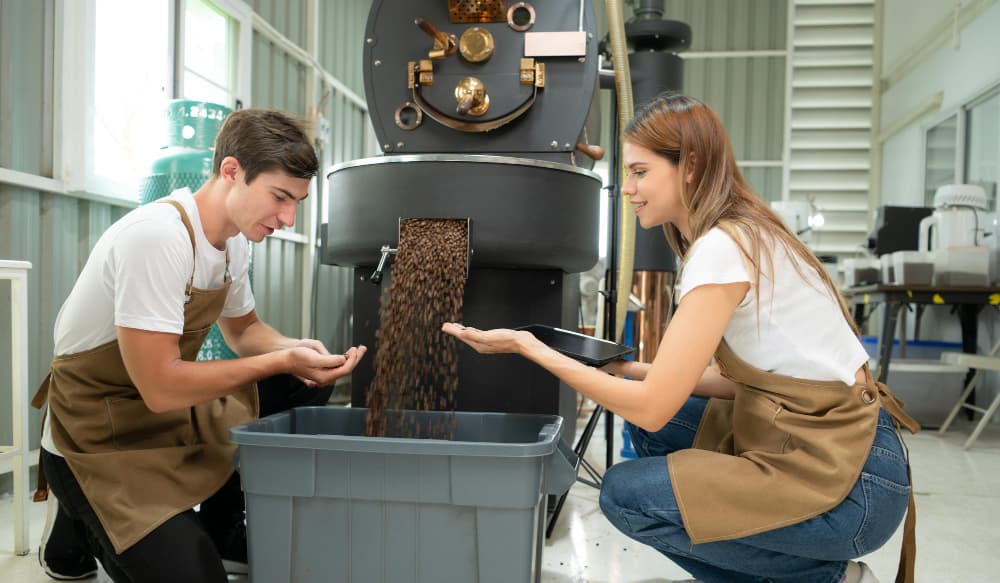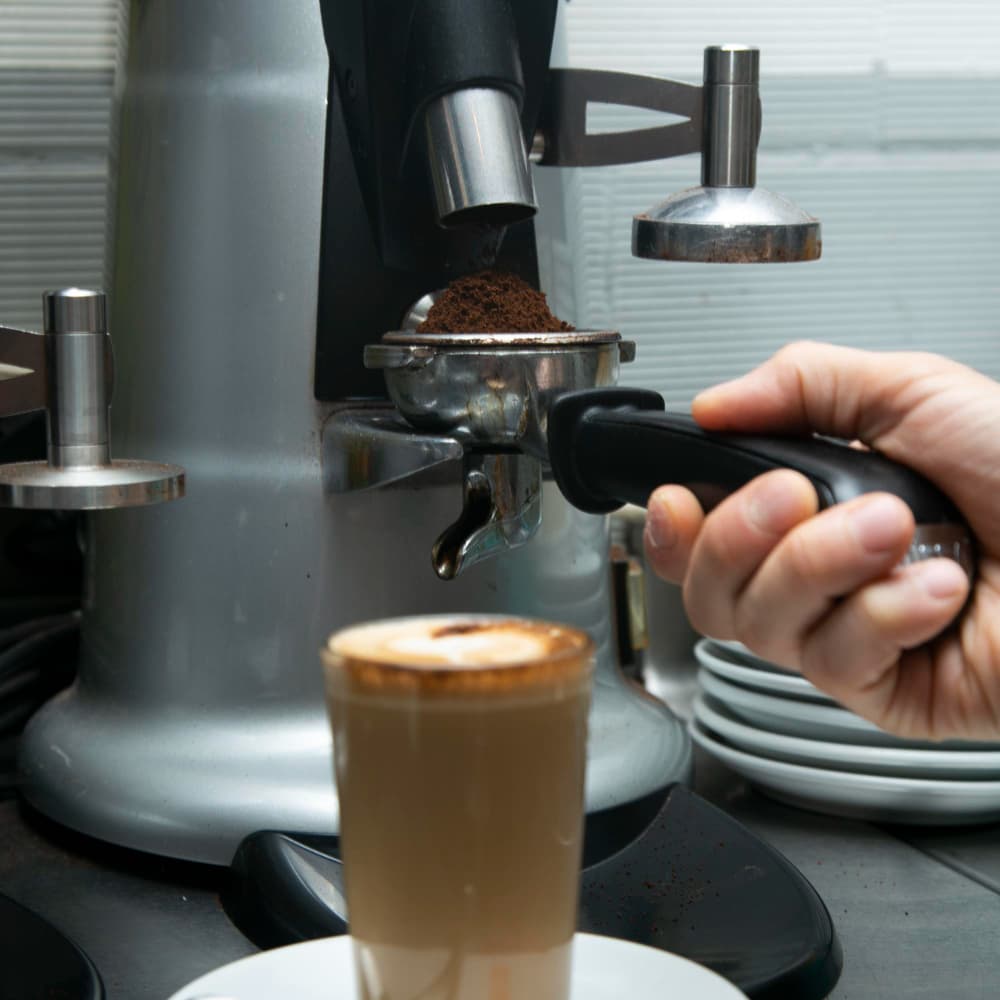
A coffee cherry is a fruit. Inside the fruit, embedded in a layer of sticky mucilage, are two seeds. The seeds are what you eventually drink. Everything that happens between the cherry coming off the tree and the seed being dry enough to ship is called "processing," and it changes the flavor more than the varietal does.
Washed
Most of our standard lots are washed. The cherries are depulped within hours of picking, then fermented in tanks for 24–48 hours to break down the mucilage, then rinsed clean and dried on raised beds. The cup tends to be clean, bright, and structured — the bean expressing itself with the least fruit interference.
Natural
On the other end, natural processing leaves the cherry intact and dries the whole fruit on the patio. The seed absorbs the sugars and the flavor of the fermenting fruit. Cups come out heavy, jammy, and unmistakable. They're polarizing. People who love them love them.
Honey
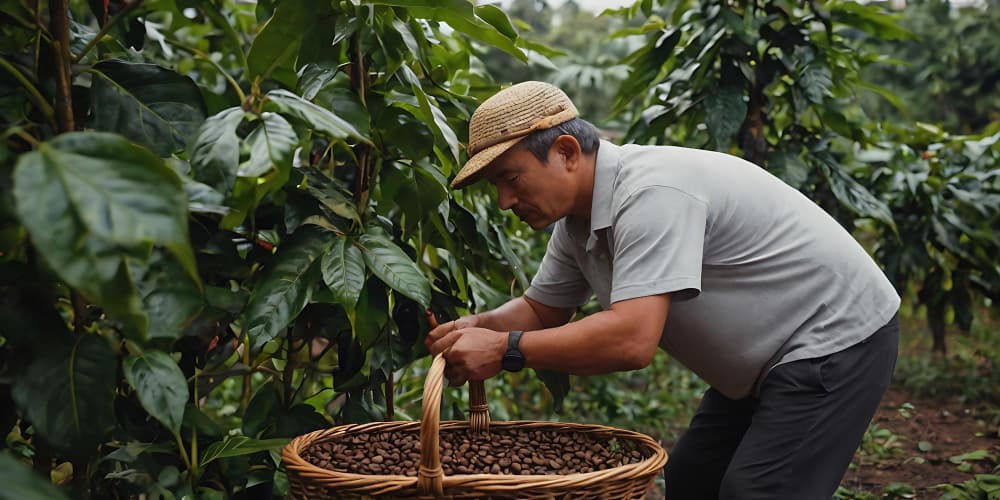
Honey process sits between the two. The cherry is depulped but not fermented and not washed — the bean dries with the mucilage still on it. The mucilage is sticky, hence the name (it has nothing to do with bees or actual honey). The cup gets some of the sweetness and body of a natural without the funk.
Our Beehive Honey lot is one of the cleanest expressions of this process we've cupped. Stone fruit on the front, brown sugar on the finish, and a body that lingers. If you've never tried a honey-process coffee, it's a good place to start.
Which one is best?
None of them. The process is a tool, not a hierarchy. A great washed coffee is great because the bean had something interesting to say and the process let it speak clearly. A great natural is great because the cherry was perfect and the patio was managed obsessively. Ask your roaster which process suits the bean, and trust that they thought about it.